Saxophone comes after the megaphone

Twelfth day of the protests
At about 9.00 pm it started raining really hard, so protesters had to hide at the metro station for about an hour or a bit longer.

After it stopped, they went back outside, but there were few people left, about 200 probably.

I knew there had to be a saxophone concert but nobody was mentioning anything so I thought the plan failed because of the rain.

At about 11 pm Mihai Iordache showed up with a briefcase for his saxophone.  There were about 100 people left, but when he started playing every little whisper froze and everybody was listening to this tall, a bit introvert, weird guy. And it was really beautiful.


‘Round About Midnight Protests


This was the 11th day of the Romanian protests against the Rosia Montana project and after I had been out of Bucharest for a few days, I arrived at the protests “venue” a bit afraid. On 8th of September, there was a huge march (about 15,000 took out to the streets), but the Facebook barometer showed less activity in the last three days, so I was expecting very few people.

Anyway, I was wrong, as there were still enough people not to make the protesting landscape look desolate. A few hundreds, lets say. Keeping the enthusiasm on a long term and ensuring continuity is not easy, but these protests are starting to gain more identity capital and culture is one of its main features.

Bridge over troubled waters

A guy called Vlad announced on the megaphone that there would be a saxophone concert on the next day, while on Saturday there would be a street festival taking place. Introducing these concerts represents not only a touch of beauty and extra emotions, but also a bridge between the protest days, as it creates anticipation and it makes the protests more eventful.

After announcing the concerts, the crowd started shouting “we want culture, not cyanide (“Vrem cultura, nu cianura.”)

‘Round About Midnight

Another feature of these protests is that they are taking place quite late. I mean if you leave your home at 10 pm planning to head to Universitate and you’re a bit afraid you may have missed the whole protest, no need to worry. The street is still full of people, bottles and noise long after the last metro stopped.

At about midnight, Vlad (the guy with the megaphone) asked everybody to hold a moment of silence to show the police there is no need to repeat the previous day episode, when they made the people leave the street, after a quartet concert had taken place.  Somebody suggested dedicating that moment of silence to the 11th September attacks. Then Vlad said “let’s applaud the gendarmes”, which was a good move, because a lot of the policemen (especially the younger ones) couldn’t help smiling. Flattery never fails.

After everybody leaves

After this short silence intermezzo, Vlad shouted GALAGIE (=noise), a word with a history here at the protests. During the first day of the protests, a homeless boy called Ionut was screaming with huge enthusiasm and joy “galagie” and it seemed that it got quite popular and engaging, as everybody reacted with applause and shouts when they heard Galagie during the 11th day of the protests.

People also applauded when Vlad (the guy with the megaphone) introduced Ionut as the one that coordinates the volunteers who collect the garbage from the streets after everybody leaves.

It was funny when Ionut got really close to a guy sitting next to me, on the street. The guy was meditating, doing yoga or something and Ionut started playing his drum really close to the guy, right in front of him, hoping to get a reaction. But the guy didn’t move or changed his expression and Ionut had to give up.

An old, fat, funny looking guy, called Freddie, probably also a homeless, got the megaphone and adapted the “We will rock you” tune to “Noi nu vrem cianura (we don’t want cyanide)”. Everybody sang along. 


Plastic Bottles Jam Session

This is the greatest Sunday evening I’ve ever spent, told me Francisc, an ex-colleague whom I met on the main boulevard of Bucharest, where thousands of people were marching against the mining plans at Rosia Montana, an area of historical and geographical importance.

The protest started at Universitate, then continued on the boulevard connecting Piata Universitate to Piata Victoriei (where the Government is located). After knocking at the Government’s door ( symbolically only, sadly) and no one answered (of course), people returned to Piata Universitatii where they sat on the pavement and for about five hours or more they jammed with plastic bottles. It was some sort of political Woodstock and there was a real feeling of joy. Even only for being together with some strangers around you, on the main street of Bucharest,  in front of its highest hotel, who looked huge seen directly from the ground, at 1 a.m. For me it was the best party I’ve attended in months.

This is a raw audio piece I’ve stitched from the little pieces recorded all through the evening and it ends with the drums-like plastic bottle sound.


protest universitate


The Garden


The garden in Vama Veche where me and Florin spent a few days, belonging to a German woman, was full of surprises: apples, a white, beautiful dog, plums, cats, tomatoes. We stayed in one of the three small wooden cottages built in the garden. 


Mogosoaia


About 10 km from Bucharest, there is the Mogosoaia Palace, built about 300 years ago by Constantin Brancoveanu and rebuilt in the 1920s by princess Marta Bibescu. It’s located in a dusty commune and to reach the palace, you have to walk about 300m (or even less) from the main boulevard, but the discrepancy between the village, which is poor, dusty, without any spark of glamour and the palace area, which is large, green and full of history, is huge. Anyway, the palace area is stuffed with people walking, taking pictures, making barbecues, picnics, weddings, kids, single women in their 40s, an expensive restaurant located in one of the wings of the palace and many surprising details, including a bucket with rose petals.

On the small road leading to the Palace, about 100m from the main entrance, there where two old ladies chatting and an add saying: we are selling lavender seedlings.


Bucurestii Noi

After a pretty short ride by metro, I arrived in the Bucurestii Noi ( literally New Bucharest) neighborhood  and I had the feeling I landed in a small city, or in a village.

The small, perpendicular streets on the main boulevard called Bucurestii Noi, the old houses, the trees, the smell of autumn, all this was different from the image I had about this district. I thought it’s a modern, developing neighborhood and probably it is, but it’s also stuffed with houses which are not pretentious at all, where families live, a neighbourhood with dogs, old cars, fathers and sons repairing cars. I’ve seen some new apartments blocks built among the houses, but they aren’t that many.

According to Wikipedia, “At the end of the 19th century the area was known as Măicănești or Grefoaicele and was owned by Nicolae Bazilescu. The domain stretched on 295 hectares from which 155 hectares were put out for sale and the rest was donated to the public domain for the construction of streets and parks. In the past the area was a part of Băneasa commune, then it became a part of the city of Grivița. It was integrated in the Bucharest area in the early 1950s when construction of apartment blocks started on the right side of Bucureștii Noi boulevard. The neighborhood contins many penthouses and modern villas which serve a small community of families who own private courtyards. These buildings are an alternative way of living very different from the communist-style apartment blocks found in the other districts of the city.”


Meses


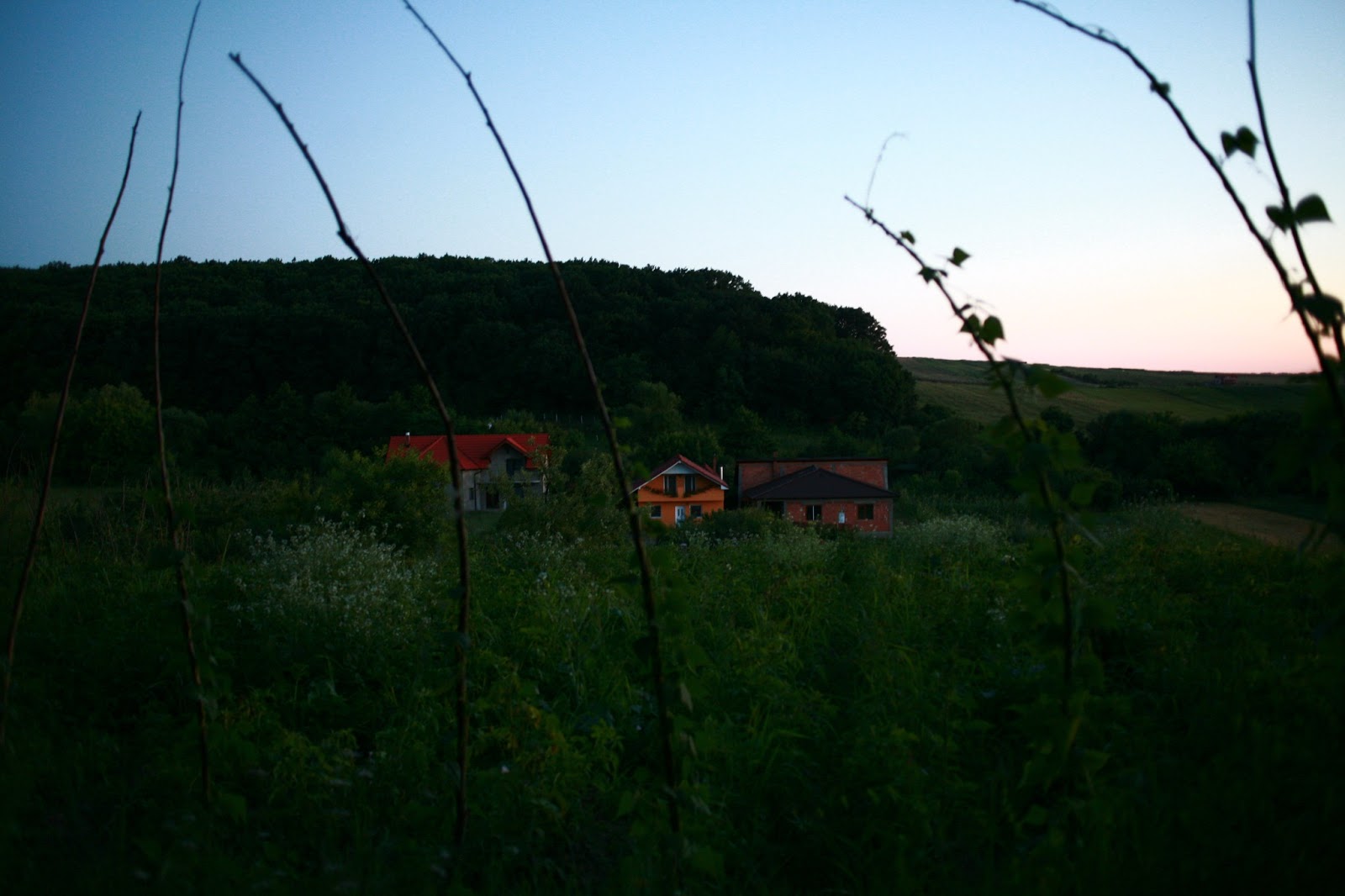
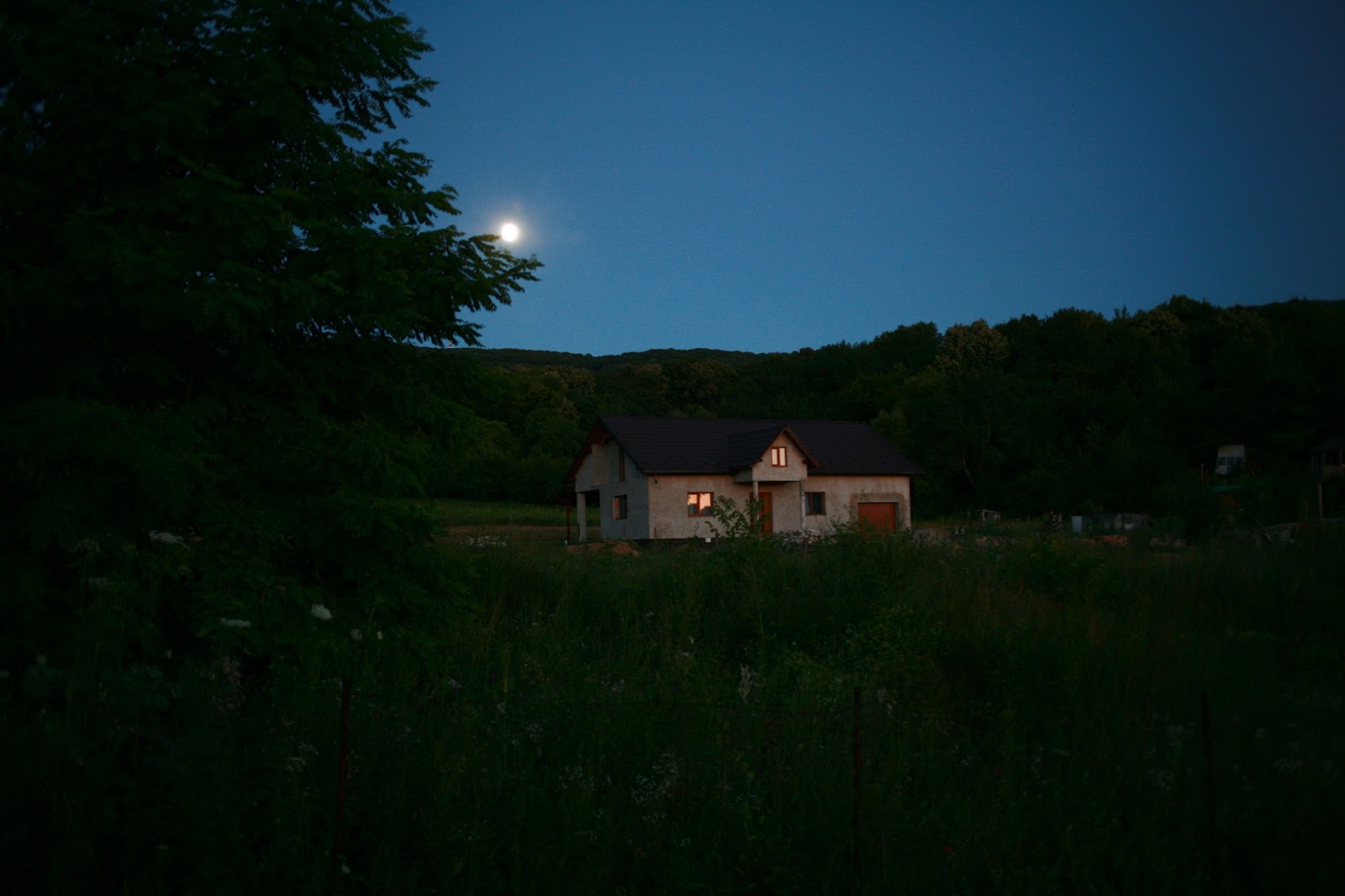
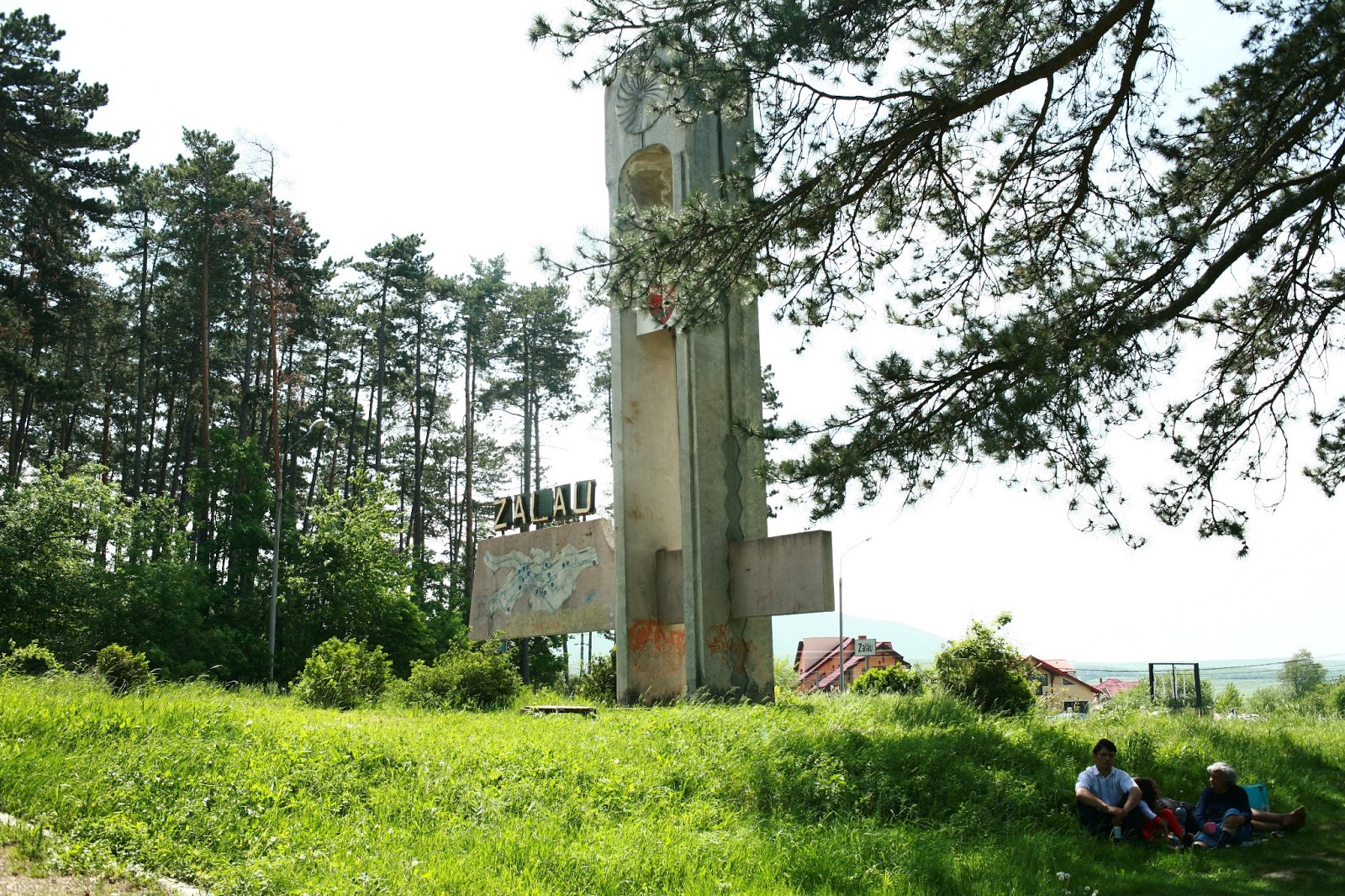
About a week ago I received an e-mail from a man from Iowa, US, having the same family name, Mesesan. He told me that his parents moved to the US in the 20s and they were from Hungary. I’ve always supposed that this name, Mesesan, is connected to the Meses Mountains, which are located North of Zalau, my home city, so I thought about sending the man a few photos with the Meses Mountains, which actually look like some tiny hills.
Taking a picture for somebody that is from a different culture and knows nothing about things that are so familiar for you, obliges to explain what is self-explanatory for you. The surprise is that you may start seeing things you took for granted.  

I noticed that a lot of villas and house have been built at the foot of the hills since I moved out of the city. Back in high school, I used to wonder through those woods, have picnics there and it was still pretty empty and wild.  Where the city almost ends and the woods begin, there was a street with old houses, probably built in the 50s or even earlier.  Many of the old houses have been meanwhile demolished and new houses were built.  


A few sentimental things


................................................................................................................................................................


..............................................................................................................................................................


...............................................................................................................................................................

...............................................................................................................................................................


................................................................................................................................................................


..............................................................................................................................................................

...
............................................................................................................................................................


................................................................................................................................................................